
A Division of the Hoskin Group, Canada's Instrumentation Leader


From a few microns to hundreds of feet, Durham Instruments offers a huge array of linear position sensors. By offering a multitude of different technologies, form factors, and output types, we ensure that the most appropriate technology can be applied to your application when using our Linear Sensors and Linear Transducers. Linear Sensors technologies include inductive/LVDT, potentiometric, capacitive, hall effect, ultrasonic, and various string-potentiometers. We have the right linear position sensor and Linear Transducers to improve your unique application!
Found the right Linear Transducers and/or Linear Sensors for your unique application? Contact our specialists to order your products! Our Linear Position Sensor specialists will help you select the right Linear Transducer for any unique application. We thrive to provide nothing but the highest quality Linear Position Sensors for when you are measuring the distance between an object and a point of reference. Contact our Linear position specialists today!
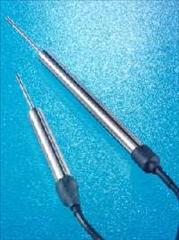
AF111 LVDT Displacement Transducer
Suitable for clamp mounting, the AF111 range have a threaded, unguided core assembly to simplify...
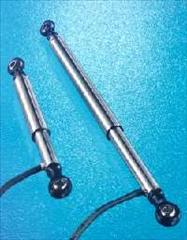
AF145 LVDT Displacement Transducer
Mounting is by self-aligning rod end bearings, and the outer sliding sleeve protects the movable core whilst enhancing the rigidity of the transducer during...

Ametek-Patriot-Rayelco part numbers
A comprehensive list of common part...
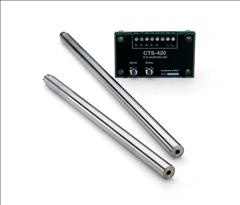
CTS-420 Position Transmitter System
The CTS 420 is a 2-wire current loop position transmitter system especially suited to valve position indication and other position indication in process industries. The system consists of an LVDT position sensor with matching electronics to provide...
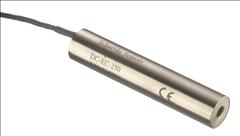
DC-EC AccuSens LVDT
The DC–EC AccuSens™ Series incorporates a unique monolithic chip combined with a computer-designed AC LVDT to achieve premium performance. The ratiometric design of the monolithic circuitry compensates for power supply deviations for...
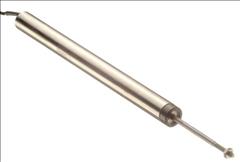
DC-SE LVDT
The DC-SE series has been designed to meet today’s requirements for operation from a single-ended power supply. The output is also single-ended over the full range displacement of the LVDT making the unit compatible with unipolar inputs on...
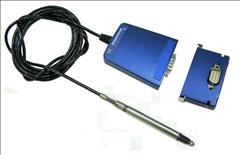
Digital LBB Ultimate Precision Gauge Head
The Ultimate-Precision Digital LBB gaging system consists of digital gaging probes daisy chained in a network using T-Connectors (available separately) with DE-9P and -9S connectors. Each Digital LBB gaging probe includes a highly repeatable analog...
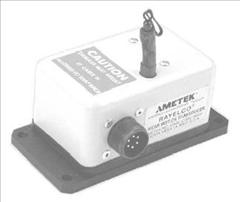
DP-series Digital Position Transducer
AMETEK RayelcoTM Digital Position Transducers (Optical Encoder Type) are designed to provide a digital output signal with an accuracy of 0.05% (+1 pulse) FS. The transducer operates from a variable voltage source of 4.75 Vdc to 30 Vdc @ 50 mA...
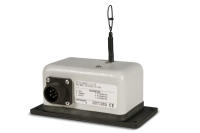
DPT250 Instrument Grade • Incremental Encoder
This series is part of our instrument-grade line of cable-extension transducers. Perfect for slow to moderate acceleration applicaitons in laboratory, no-hostile environments. Measurement ranges up to 100 inches. Environmental suitability: NEMA 1,...
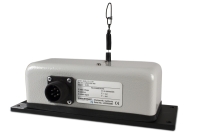
DV301 – Position and Velocity Sensor
The DV301 is a combination position and velocity transducer for full-scale measurement ranges from 2 to 100 inches. A precision plastic-hybrid potentiometer provides accurate position feedback while a self-generating DC tachometer provides a...
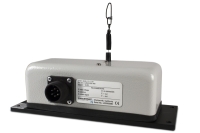
DV301 Instrument Grade • Position Velocity
This series is part of our instrument-grade line of cable-extension transducers. Perfect for slow to moderate acceleration applicaitons in laboratory, no-hostile environments. Measurement ranges up to 100 inches. Environmental suitability: NEMA 1,...
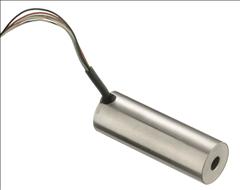
E-Series LVDT
The E Series of LVDTs is economical and satisfies numerous applications where LVDT performance and reliability are desired, but where budgets are limited. Linearity is 0.5% of full-range for all units except the E2000. The E series is particularly...
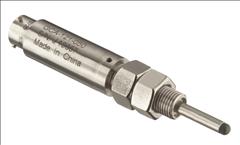
GC-485 Digisense Gauge Head
GC-485 DigiSense™ Gage Head is available in five bipolar measurement ranges, with standard strokes from ± .050 inches to ± 1.0 inch. The single ended 8.5 to 30.0 volt dc. input and two-wire, addressable RS-485 output, make the GC-485 ideally...
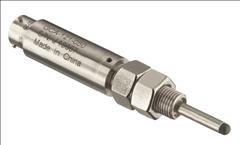
GCA Gauge Head
GCA Series gage head with stainless steel construction enables the performs in environments containing moisture, dirt and other contaminants. Electronic components are hermetically sealed for added protection against hostile conditions. These are...
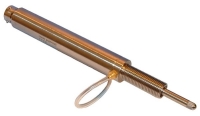
GCA-AE Series
The GCA-AE Series heavy-duty gage heads enable high performance in environments containing moisture, dirt, and fluid contaminants. These Gage heads are air-extend, spring-retract LVDTs (Linear Variable Differential Transformers) with precision...
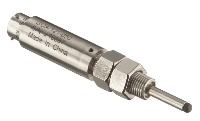
GCD Gauge Head
GCD Series gage head with stainless steel construction enables the performs in environments containing moisture, dirt and other contaminants. Electronic components are hermetically sealed for added protection against hostile conditions. These are...
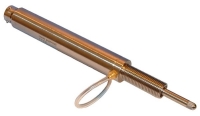
GCD-AE Series
The GCD-AE Series heavy-duty DC operated gage heads enable high performance in environments containing moisture, dirt, and fluid contaminants. These Gage heads are air-extend, spring-retract LVDTs (Linear Variable Differential Transformers) with...
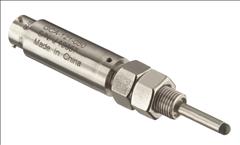
GCD-SE Gauge Head
The GCD-SE Series is available in five uni-polar measurement ranges, with standard strokes from 0 to 0.1 inch to 0 to 2.0 inches. Operating on a single ended 8.5 to 28.0 volt dc. input, and minimal current draw, the GCD-SE is ideally suited to...
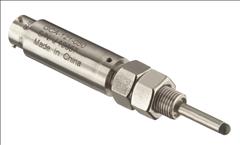
GCT Gauge Head Transmitter
The GCT Series Gage Head Transmitter is available in four different ranges from 0 to .250-inch, to 0 to 2.0-inches. This rugged two wire loop powered gage head is designed for harsh environments with its hermetically sealed stainless steel, housing...
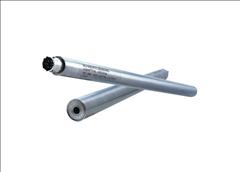
HC-485 DigiSense LVDT
The HC485 DigiSense™ Displacement Sensor is available in seven bipolar measurement ranges, with standard strokes from ± .050 inches to ± 3.0 inches. Operating on a single ended 8.5 to 30.0 volt dc. input and a two-wire addressable RS-485 output,...
HCA-RA-Series Hermetically Sealed LVDT
HCA-RA right angle series LVDTs are tungsten-inert gas (TIG) welded for hermetic sealing with an easy to install radial connector termination. A design improvement to the standard HCA series, the HCA-RA has a through bore design and a right angle...
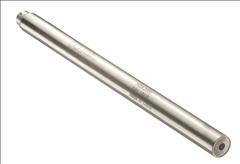
HCA-Series Hermetically Sealed LVDT
The HCA Series LVDTs are tungsten-inert gas (TIG) welded to form a hermetic seal that is impervious to dirt, water, steam and corrosive liquids and vapors. They feature a glass-sealed, MS-type connector, but do not permit through bore operation. (A...
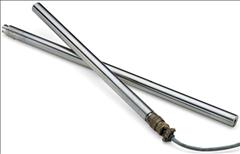
HCD Hermetically Sealed LVDT
The HCD series LVDTs are impervious to dirt, water, steam spray and most corrosives. Tungsten inert gas (TIG) welding provides hermetic sealing that is free from oxidation-producing faults that may cause leakage. They have been qualified at...

HCT Series LVDT Transmitter
The HCT Series LVDT transmitters are the perfect choice for high performance measurements in environments containing moisture, dirt, and fluid contaminants. Operating on a +10.5 to +28VDC loop voltage, the HCT delivers a smooth 4-20mA current loop...
HLP190 Spring Loaded Linear Potentiometer
The HLP190 range of hybrid linear potentiometers have a body diameter of only 19mm. Stroke lengths are from 25mm to 150mm, with a choice of body clamp (BS) or flange (FS) mounting. This model is supplied with a spring loaded shaft, biased to the...
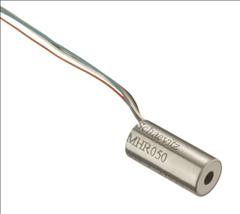
HR-Series LVDT
The HR Series of LVDTs is highly reliability and is suitable for most general applications. The HR Series features a large core-to-bore clearance, high output voltage over a broad range of excitation frequencies, and a magnetic stainless steel case...

HR-T Series – General Purpose, High-Temperature LVDT
The HR-T Series LVDTs are a variant of the popular HR Series. The HR-T Series LVDTs provide the optimum performance required for a majority of high-temperature applications up to 392°F continuous. The large 1/16 inch bore-to-core radial clearance...

ICS100 In-Cylinder Linear Potentiometer
Designed specifically for use in hydraulic and pneumatic actuator applications, where the sensor is fitted inside the pressurized...
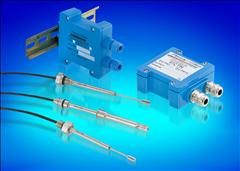
ICT050 Contactless In-Cylinder Linear Transducer
The ICT050 Contactless In-Cylinder Linear Transducer combines the best features associated with LVDTs and potentiometers into one rugged, contactless and highly reliable displacement...

ICT080 Contactless In-Cylinder Linear Transducer
The ICT080 Contactless In-Cylinder Linear Transducer combines the best features associated with LVDTs and potentiometers into one rugged, contactless and highly reliable displacement...
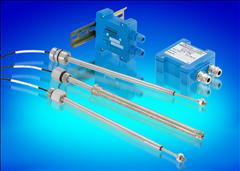
ICT100 Contactless In-Cylinder Linear Transducer
The ICT100 Contactless In-Cylinder Linear Transducer combines the best features associated with LVDTs and potentiometers into one rugged, contactless and highly reliable displacement...
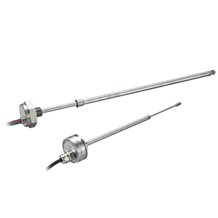
ICT800 Contactless In-Cylinder Linear Transducer – Analog Output
Product Brand: Penny &...
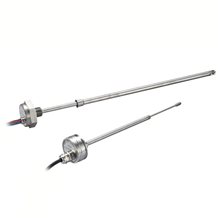
ICT820 Contactless IN-Cylinder Linear Transducer – Analog Output
Product Brand: Penny &...
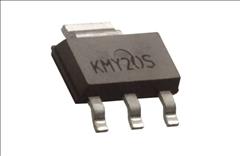
KMY Linear Magnetic Field Sensor
Due to its featured properties - high sensitivity and almost no hysteresis – the KMY sensors are used in a wide range of applications, like magnetic field measurement, revolution counters, proximity detecting, and position measurement. An uniaxial...
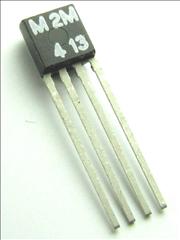
KMZ Linear Magnetic Field Sensor
Due to its featured properties - high sensitivity and almost no hysteresis – the KMZ sensors are used in a wide range of applications, like magnetic field measurement, revolution counters, proximity detecting, and position measurement. A uniaxial...
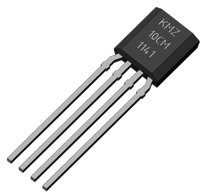
KMZ10CM Linear Field Sensor
Due to its featured properties - high sensitivity and almost no hysteresis – the KMZ10CM sensor is used in a wide range of applications, like magnetic field measurement, revolution counters, proximity detecting, and position...
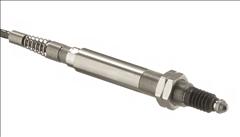
LBB Ultra Precision Gauge Heads
The Linear Ball Bearing (LBB) Series of dimensional gaging probes is engineered for highly precise and repeatable measurements in quality control and metrology applications. LBB within the gaging probe minimize radial play and friction for...
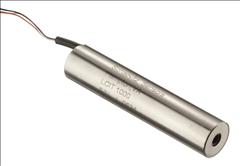
LCIT Linear Inductive Sensor
The LCIT series is based on a patented linear position sensor design that features all of the benefits of current LVDT inductive technology, but at a significantly lower cost. The proprietary coil and electronics design of the LCIT has allowed...
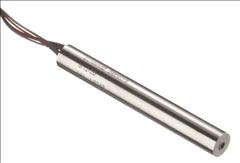
M-12 LVDT
Because of quantum improvements in coil winding technology, Measurement Specialties is able to offer premium LVDT performance at standard LVDT pricing with our M-12 Series LVDT. The M-12 Series LVDT is wound on a ribless bobbin providing the smooth...
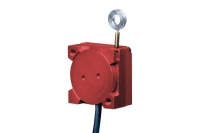
M150 Position Sensor
Introducing the world’s smallest stringpot. The M150 is smaller than a thumbprint and occupies a tiny space of only .74 x .74 x .38 inches. With a full stroke measurement range of 1.5 inches, the M150 has been designed for many aerospace and...
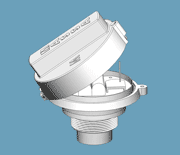
M3 Ultrasonic Level Sensor
The Massa Model M3 Family consists of battery operated wireless level sensors that intercomunicate using ZigBee RF Modules. These sensors produce detection ranges from as close as 4 inches (100 mm) to 13 feet (4...
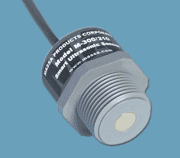
M300-150 Low Cost Liquid Level Sensor
The Massa Model M-300/150 Sensor measures target distances over a range of 4 inches (100 mm) to 7 feet (2.1 meters). It is a member of the Massa M-300 family that includes several models of RoHS compliant CE certified low cost liquid level sensors...
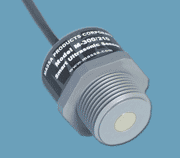
M300-95 Low Cost Level Sensor
The Massa Model M-300/95 Sensor measures target distances over a range of 1 foot (0.3 meters) to 13 feet (4 meters). It is a member of the Massa M-300 family that includes several models of RoHS compliant and CE certified low cost liquid level...
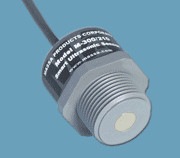
M320-150 Low Cost Sensor
The Massa Model M-320/150 Sensor measures target distances over a range of 4 inches (100 mm) to 7 feet (2.1 meters). It is a member of the Massa M-300 family that includes several models of RoHS compliant CE certified low cost liquid level sensors...
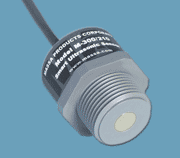
M320-95 Low Cost Sensor
The Massa Model M-300/95 Sensor measures target distances over a range of 1 foot (0.3 meters) to 13 feet (4 meters). It is a member of the Massa M-300 family that includes several models of RoHS compliant and CE certified low cost liquid level...
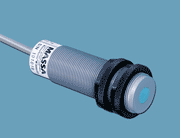
M5000 Ultrasonic Displacement Transducer
The MassaSonic™ M-5000/220 Smart Ultrasonic Sensor incorporates state-of-the-art ultrasonic and microprocessor technology to provide precision non-contact distance measurement for factory automation or industrial process control. The M-5000/220...
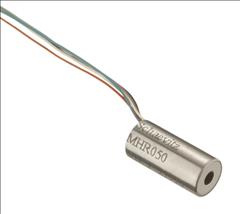
MHR Miniature LVDT
The MHR Series of LVDTs is ideal for applications where excessive core weight could influence the motion of sensitive mechanisms. The lightweight core also helps minimize stresses and preserves the structural integrity of the core actuation...
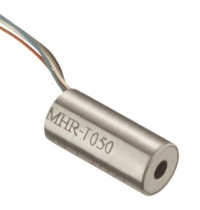
MHR-T Series – Miniature High-Temperature AC LVDT
The MHR-T Series LVDTs are a variant of the legendary MHR Series. The MHR-T Series provide precision measurements in space restrictive applications at temperatures up to 392°F continuous. With a diameter of just 3/8 inch , and an extremely...
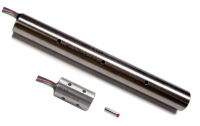
MHR-V Series – Miniature Vented Case AC LVDT
The MHR-V Series LVDTs are a variant of the legendary MHR Series. The MHR-V is specifically designed for submersion in inert gas, mineral oil, and other non-aggressive oils (consult factory for medium compatibility) under pressures up to 10,000 PSI...
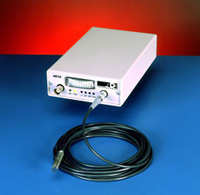
MicroSense 4810
The ADE model 4810 is a non-contact precision position sensor. The 4810 is optimized for short range displacement measurement applications that require best possible linearity and...
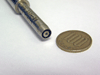
Microsense 5000 Series Probes
Many sensor heads, or probes, are available for use with our 5800 Series capacitive position sensors. The resolution of our capacitive position sensors is determined by a combination of the active sensing area of the probe, the measurement range,...
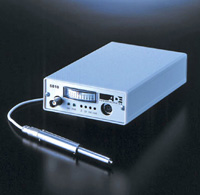
Microsense 5810
The ADE Model 5810 is a single channel, non-contact precision capacitive displacement sensor. Designed for high dynamic applications, the Model 5810 provides high resolution with measurement bandwidth up to 100...
Microsense 8810
The ADE model 8810 is a non-contact precision position sensor. The 8810 is designed for best linearity and stability, with measurement bandwidth up to 20 kHz – ideal for servo system position feedback and fast tool servo...

Microsense Mini
The MicroSense Mini is a precision linear position sensor which delivers nanometer level resolution over measurement ranges up to a millimeter. The Mini is ideal for short travel, precision positioning applications – providing position feedback in...
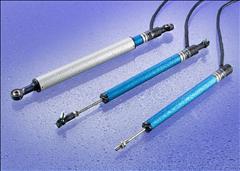
MLS130 Linear Potentiometer
Responding to customer demand, Penny + Giles has developed this competitively priced linear position sensor for the motorsport...
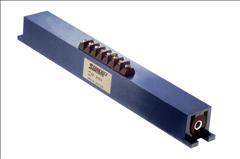
MP-Series LVDT
The MP Series of LVDTs is suitable for heavy industrial use. Its coils are encapsulated in an anodized extruded aluminum housing, providing protection against electromagnetic and electrostatic interference. A heavy-duty terminal barrier strip...
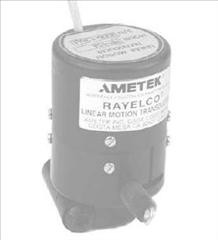
MP-series Miniature Position Transducer
AMETEK RayelcoTM Miniature Position Transducer has been designed to provide maximum user flexibility. This unit can be mounted in confined areas and by simply loosening a single bolt, direct the cable in any direction by turning the transducer body...
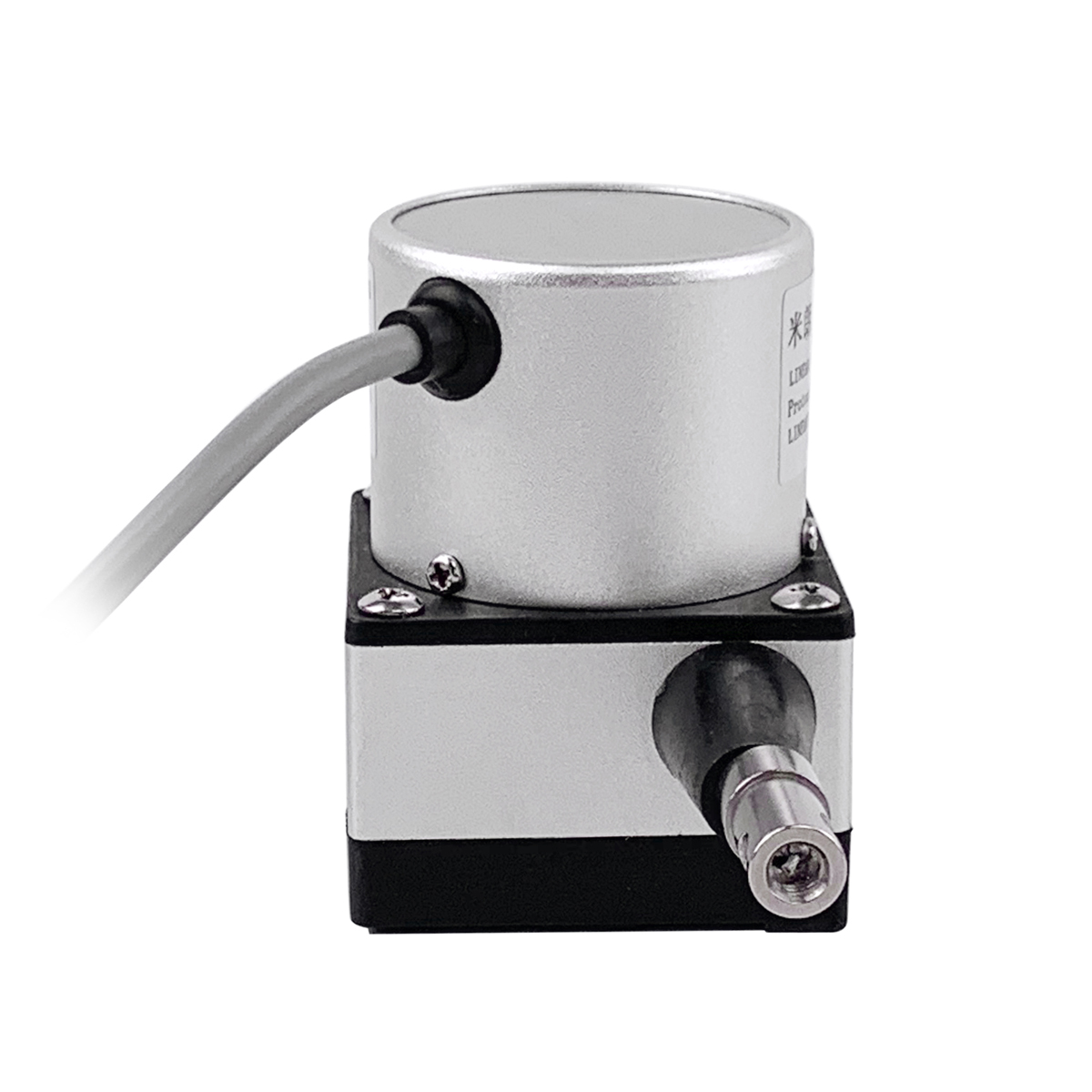
MPS Series String Potentiometers
MPS series Draw Wire Potentiometers are cost effective sensors with high performance. Ranges from 100mm to 10,000mm and a wide array of signal outputs in several body sides. IP65...
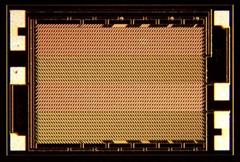
MR174B Linear Magnetic Field Sensor
Due to its featured properties - high sensitivity and almost no hysteresis – the MR174B sensors are used in a wide range of applications, like magnetic field measurement, revolution counters, proximity detecting, and position measurement. An...
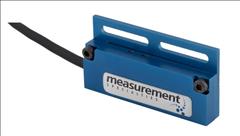
MRLF30-USB Linear Absolute Sensor
Due to its featured properties - high accuracy and very low hysteresis - with a very small housing compatible with standard C-Slot and T-Slot cylinder, MRLF30 is providing great functional reliability and precise measurement for industrial...
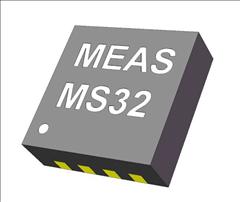
MS32 Switching Sensor
The MS32 is a magnetic field sensor which is built in the form of a Wheatstone bridge. Each of its four resistors is made from Permalloy, a material that shows the anisotropic magneto resistance effect. An uni-directional magnetic field in the...
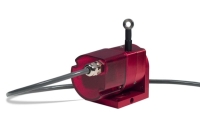
MT2A – Position Sensor
The MT2A is a member of our family of rugged, accurate miniature cable-extension position transducers designed specifically for test applications. One of the major benefits to this sensor its 2-axis 360° rotating mounting bracket to allow for fast...
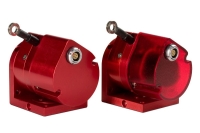
MT2E Test Applications • Incremental Encoder
The MT2 and MT3 miniature series features a highly-tensioned heavy-duty measuring cable that was designed for the high-acceleration demands encountered in flight testing and automotive crash tests. The MT3A offers IP67 protection for testing...
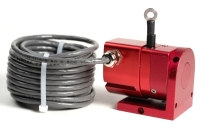
MT3A – Position Sensors
The MT3A is the solution for high-acceleration test applications in potentially wet environments. Just like the MT2A, the MT3A comes in 4 different full-stroke ranges, has a high-tension heavy-duty measuring cable designed for the demands of flight...
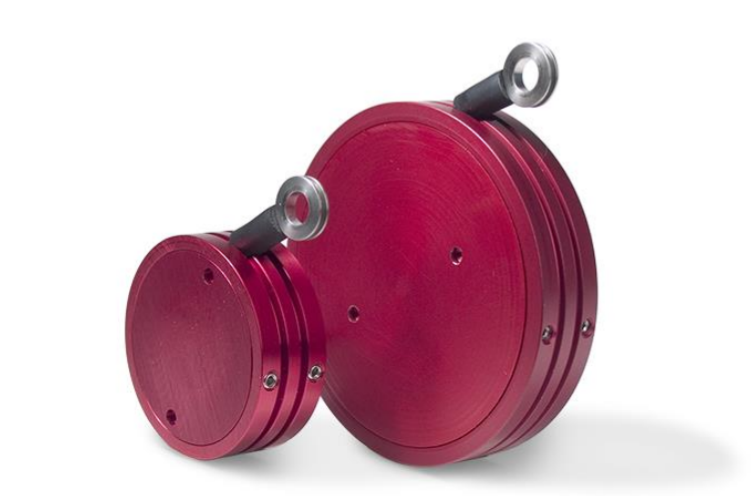
MTA Voltage Divider Output
The MTA miniature cable extension transducer combines 0.4% accuracy and 50-million cycle potentiometer life into a small package that gives designers high-performance to fit in small assemblies. Measurement ranges available are 0-3" and...
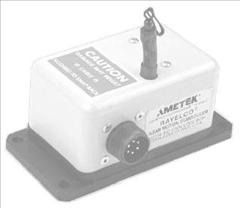
P-series Position Transducer
AMETEK RayelcoTM Position Transducers offer precise monitoring of a traveling element from 0-2" through...
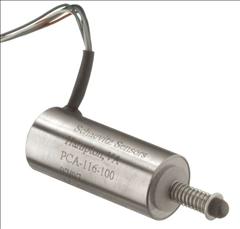
PCA-116 Economy Gauge Head
Our PCA-116 family of gage heads was developed for less demanding applications where a balance between cost and performance is paramount. PCA-116 gage heads incorporate a standardized LVDT with repeatability better than 0.0001" (0.0025 mm) and...
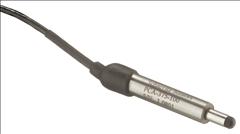
PCA-375 Gauge Head
The PCA-375 Series gage head is based on the MHR series of LVDTs. The modified MHR has an extended case and spring-loaded plunger. The design goals were simplicity and high reliability with low cost. This goal was met by implementing a plain bronze...
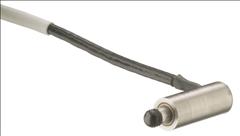
PCA-375 PR-020 Ultra Compact Gauge Head
The PCA-375 PR-020 Series gage head is an ultra-compact device that provides accurate measurement in areas with limited space. Designed with a radial cable exit, the gage head easily fits within miniature fixtures and small inside diameters. AC...
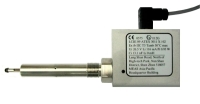
PCI-650 Series
The PCI-650 Series transmitter is extremely rugged and accurate. It features a spring-loaded guided probe with a hard tip, and a removable electronic module to facilitate installation into pressurized devices such as valves and actuators. The...
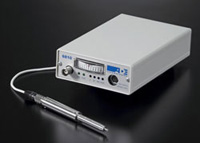
Precision Capacitive Sensor Model 6810
Break the nanometer resolution barrier -- achieve picometer resolution with our highest resolution position...
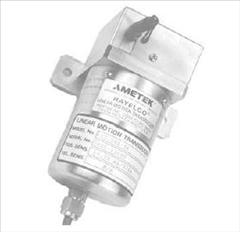
PS-series Submersible Position Transducer
AMETEK RayelcoTM Submersible Transducers are designed for use in fluids or in hostile environments to pressures up to 150...
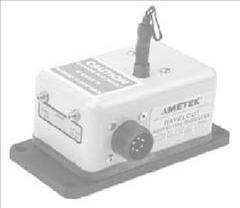
PT-series Position Transmitter
These Position Transmitters combine the high accuracy of AMETEK RayelcoTM Position Transducers with a 4-20 mA electronic package, providing a two-wire, 4-20 mA transmitter which consistently delivers accuracy of +0.1% FS*. The transmitter operates...
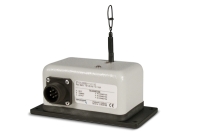
PT101 Instrument Grade • Voltage Divider
This series is part of our instrument-grade line of cable-extension transducers. Perfect for slow to moderate acceleration applicaitons in laboratory, no-hostile environments. Measurement ranges up to 100 inches. Environmental suitability: NEMA 1,...
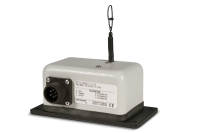
PT101 Position Sensor
Based on Measurement-Specialties' original string pot design dating back to the late 1960’s, the PT101 has become a standard throughout the years for literally thousands of applications including aircraft structural testing, hydraulic cylinder...
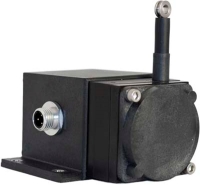
PT1232 Industrial Grade • RS232 Communication
The PT1 Series is part of our compact line of cable-extension transducers. Perfect for slow to moderate acceleration applications such as structural testing (indoors), automotive mechanism testing or hydraulic cylinder monitoring. Measurement ranges...
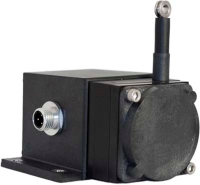
PT1A Industrial Grade • Voltage Divider
The PT1 Series is part of our compact line of cable-extension transducers. Perfect for slow to moderate acceleration applications such as structural testing (indoors), automotive mechanism testing or hydraulic cylinder monitoring. Measurement ranges...
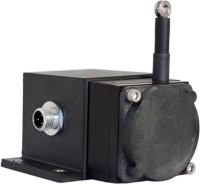
PT1DC Industrial Grade • 0..10, 0..5 Vdc
The PT1 Series is part of our compact line of cable-extension transducers. Perfect for slow to moderate acceleration applications such as structural testing (indoors), automotive mechanism testing or hydraulic cylinder monitoring. Measurement ranges...
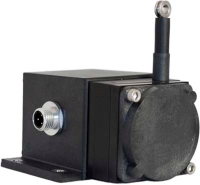
PT1DN Industrial Grade • DeviceNET® Communication
The PT1 Series is part of our compact line of cable-extension transducers. Perfect for slow to moderate acceleration applications such as structural testing (indoors), automotive mechanism testing or hydraulic cylinder monitoring. Measurement ranges...
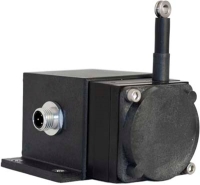
PT1E Industrial Grade • Incremental Encoder
The PT1 Series is part of our compact line of cable-extension transducers. Perfect for slow to moderate acceleration applications such as structural testing (indoors), automotive mechanism testing or hydraulic cylinder monitoring. Measurement ranges...
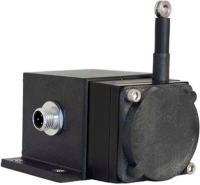
PT1MA Industrial Grade • 4..20mA • 0..20mA
The PT1 Series is part of our compact line of cable-extension transducers. Perfect for slow to moderate acceleration applications such as structural testing (indoors), automotive mechanism testing or hydraulic cylinder monitoring. Measurement ranges...
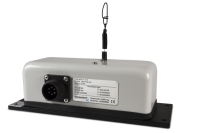
PT420 – Position Sensor
The PT420 is available with full-scale measurement ranges from 2 to 100 inches, providing a 0/4-20 mA feedback signal that is linearly proportional to the position of a traveling stainless-steel extension cable. Use the PT420 to provide position...
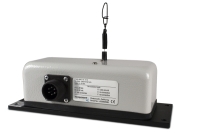
PT420 Instrument Grade • 4..20mA / 0..20mA
This series is part of our instrument-grade line of cable-extension transducers. Perfect for slow to moderate acceleration applicaitons in laboratory, no-hostile environments. Measurement ranges up to 100 inches. Environmental suitability: NEMA 1,...
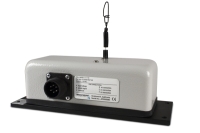
PT510 Instrument Grade • 0..5 Vdc / 0..10 Vdc
This series is part of our instrument-grade line of cable-extension transducers. Perfect for slow to moderate acceleration applicaitons in laboratory, no-hostile environments. Measurement ranges up to 100 inches. Environmental suitability: NEMA 1,...
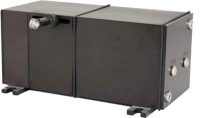
PT5232 Industrial Grade • RS232 Communication
The PT5 Series is part of our industrial line of cable-extension transducers. Excellent solution for high acceleration and high-cycle applications such as die-casting, injection molding or crash testing. Measurement ranges up to 250 inches....
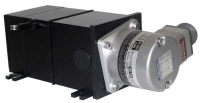
PT5600 Industrial Grade • String Encoder
Our unique linear-to-rotational, industrial-grade string encoder module mates to virtually any encoder, giving you a cost-effective linear position measurement solution...
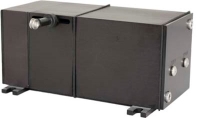
PT5A Industrial Grade • Voltage Divider
The PT5 Series is part of our industrial line of cable-extension transducers. Excellent solution for high acceleration and high-cycle applications such as die-casting, injection molding or crash testing. Measurement ranges up to 250 inches....
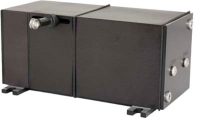
PT5CN CANbus • SAE J1939 Output Signal
The PT5 Series is part of our industrial line of cable-extension transducers. Excellent solution for high acceleration and high-cycle applications such as die-casting, injection molding or crash testing. Measurement ranges up to 250 inches....
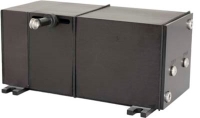
PT5DC Industrial Grade • 0…5, 0…10 Vdc
The PT5 Series is part of our industrial line of cable-extension transducers. Excellent solution for high acceleration and high-cycle applications such as die-casting, injection molding or crash testing. Measurement ranges up to 250 inches....
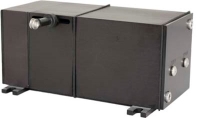
PT5DN Industrial Grade • DeviceNET® Communication
The PT5DN, using a high cycle plastic-hybrid potentiometer, communicates via DeviceNET protocol with programmable controllers in factories and harsh environments...
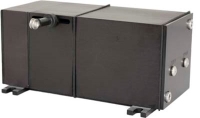
PT5E Industrial Grade • Incremental Encoder
The PT5 Series is part of our industrial line of cable-extension transducers. Excellent solution for high acceleration and high-cycle applications such as die-casting, injection molding or crash testing. Measurement ranges up to 250 inches....
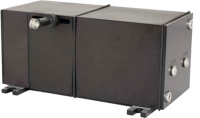
PT5MA Industrial Grade • 0…5, 0…10 Vdc
The PT5 Series is part of our industrial line of cable-extension transducers. Excellent solution for high acceleration and high-cycle applications such as die-casting, injection molding or crash testing. Measurement ranges up to 250 inches....
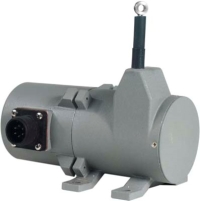
PT8101 Heavy Industrial Voltage Divider
The PT8000 series is part of our industrial line of cable-extension transducers. Designed for rugged environments, the PT8000 series is a workhorse for applications such as metal forming, wet-end paper processing and injection molding. Measurement...
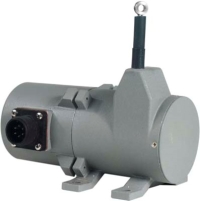
PT8150 Heavy Industrial Incremental Encoder
The PT8000 series is part of our industrial line of cable-extension transducers. Designed for rugged environments, the PT8000 series is a workhorse for applications such as metal forming, wet-end paper processing and injection molding. Measurement...
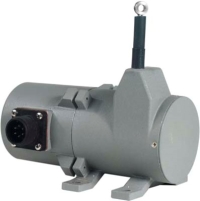
PT8232 Heavy Industrial RS232
The PT8000 series is part of our industrial line of cable-extension transducers. Designed for rugged environments, the PT8000 series is a workhorse for applications such as metal forming, wet-end paper processing and injection molding. Measurement...
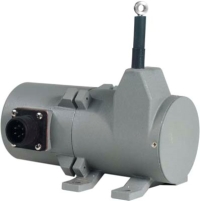
PT8420 Heavy Industrial 4..20mA 0..20mA
The PT8000 series is part of our industrial line of cable-extension transducers. Designed for rugged environments, the PT8000 series is a workhorse for applications such as metal forming, wet-end paper processing and injection molding. Measurement...
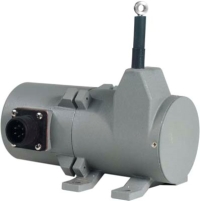
PT8510 Heavy Industrial 0…5, 0…10 Vdc
The PT8000 series is part of our industrial line of cable-extension transducers. Designed for rugged environments, the PT8000 series is a workhorse for applications such as metal forming, wet-end paper processing and injection molding. Measurement...
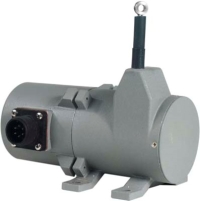
PT8600 String Encoder
The PT8000 series is part of our industrial line of cable-extension transducers. Designed for rugged environments, the PT8000 series is a workhorse for applications such as metal forming, wet-end paper processing and injection molding. Measurement...
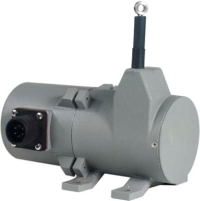
PT8CN CANbus SAE J1939 Output Signal
The PT8000 series is part of our industrial line of cable-extension transducers. Designed for rugged environments, the PT8000 series is a workhorse for applications such as metal forming, wet-end paper processing and injection molding. Measurement...